Thoughts
-
What the Heck Is MCP?
Read more →AI models are built on data. All that data, meticulously scraped and refined, fuels their capacity to handle a staggering spectrum of questions. But as many of you know, their knowledge is locked to the moment they were trained. ChatGPT 3.5, for instance, was famously unaware of the pandemic. Not because it was dumb, but…
-
Finding a job sucks and it’s turning into AI warfare
Like many of you, I’ve got friends on both sides of the job battle. Recruiters and hiring managers are getting flooded with more resumes than ever. And let’s be honest, no one has time to manually comb through thousands of applications while also doing their other job. So hiring teams turn to AI tools to help screen.
On the other side, job seekers are exhausted. You spend hours tailoring your resume, researching the company, writing a thoughtful cover letter only to send it into the void. No response. No feedback. Not even a polite rejection. It’s soul-crushing.
AI was bound to enter the picture, but now it’s become a battleground. Applicants use AI to apply faster and look better. Hiring teams respond by using more AI to filter even harder. The result? Everyone’s stuck. It’s time for a better approach. Resumes alone won’t cut it anymore. I think AI should help interview, not just screen. Conversational tools, avatars, first-round screeners, anything that gives more people an honest at-bat. The system’s already broken. Doing the same thing over and over is just automation-driven insanity.
-
AI Is Eating the Internet, And Your Traffic
I know I’ve said this before, but it’s worth repeating: If your business relies heavily on Google search traffic, you need to prepare for a reality where that hose turns from a stream to a drip.
Search traffic is declining. AI is accelerating the shift. And more evidence keeps piling up.
Cloudflare, a company best known for keeping websites fast, secure, and online, also offers tools to block AI bots from scraping public web content. If you’ve ever hit a “verify you’re not a robot” check before reading an article, that’s Cloudflare or similar services doing their job to protect publishers’ content from being quietly hoovered up.
In a recent interview, Cloudflare’s CEO laid it out clearly: publisher traffic is down hard. Worse, the new wave of AI search, Perplexity, ChatGPT, Gemini, doesn’t send readers back to your site the way old-school Google blue links did.
Some say this signals the death of the open web. Maybe they’re right.
But I think we’re witnessing a transition.
The open web, once the front door to everything, is fading. Today, most people experience the internet through closed ecosystems: YouTube, Amazon, TikTok, Instagram, Reddit, Facebook, Twitter. Each of these platforms has sticky sandboxes designed to keep users (and their content) locked inside.
If you’re not building brand gravity outside of SEO, if your whole model depends on inbound clicks from Google, things are going to get difficult quickly.
-
Is Apple About to Buy an Answer Engine?
What do you do when $20 billion in revenue might vanish thanks to Google’s looming antitrust fallout?
You buy the best damn answer engine on the block.
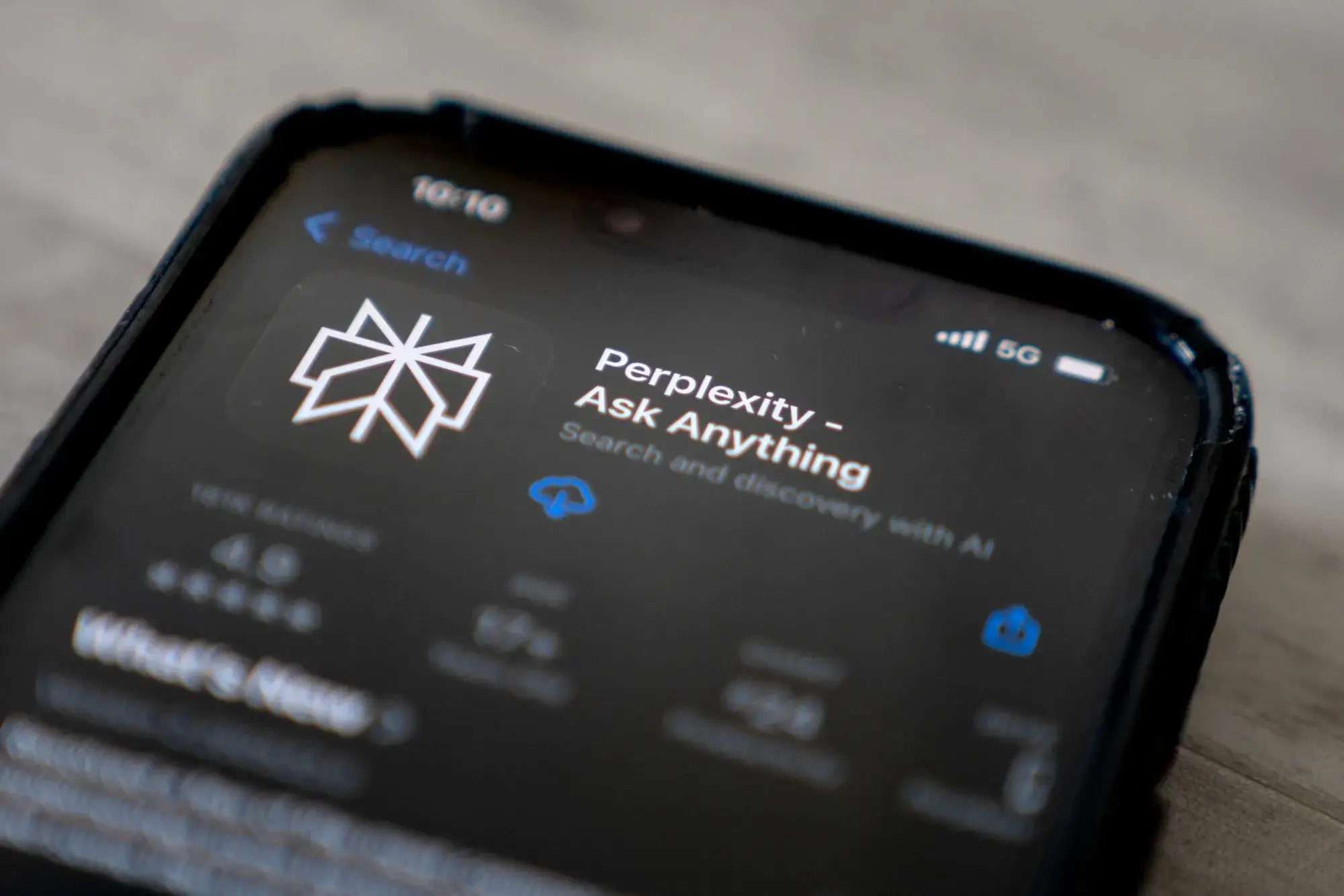
Perplexity is already my favorite AI search tool—fast, smart, and actually useful. Imagine it embedded deep into Apple’s many operating systems. A real-time answer engine that could make Siri useful and launch a day-one Google Search competitor. If this happens, it might be Apple’s smartest acquisition in years.
-
Teaching in an AI World
In my talks with professors at local colleges and universities, I keep hearing the same thing. We’re teaching for a world that’s changing faster than we can update our syllabi.
The scale of these AI tools is mind-blowing. But here’s the catch: subject matter experts, people who truly get it, are the ones who benefit most. When you lack that core understanding, the tool becomes a crutch, and the power dynamic shifts. Instead of the human leading, the tool leads.
I see this all the time with new developers and junior engineers. Many lean on these tools like a lifeline, while the more experienced folks use them to amplify what they already know.
The Jetsons often asked this question in a way only they could, with jokes like George mashing potatoes and calling it slavery before pressing a button to have a robot do it for him.
In the linked blog post, “The Myth of Automated Learning,” the author lays it out clearly:
Thanks to human-factors researchers and the mountain of evidence they’ve compiled on the consequences of automation for workers, we know that one of three things happens when people use a machine to automate a task they would otherwise have done themselves:
- Their skill in the activity grows.
- Their skill in the activity atrophies.
- Their skill in the activity never develops.
Which scenario plays out hinges on the level of mastery a person brings to the job. If a worker has already mastered the activity being automated, the machine can become an aid to further skill development. It takes over a routine but time-consuming task, allowing the person to tackle and master harder challenges. In the hands of an experienced mathematician, for instance, a slide rule or a calculator becomes an intelligence amplifier.
Of course, the bigger question is how much of this is about the present and how much it will matter in the future. Most of us wouldn’t survive if we had to hunt and gather our own food or live without modern conveniences. Maybe some foundational knowledge just won’t be as important tomorrow as it is today. Could programming become a dying art form like calligraphy?
At the heart of all this is the question of what’s actually worth teaching in a world where AI handles the heavy lifting.
-
AI Is Helping Robotics Move Faster
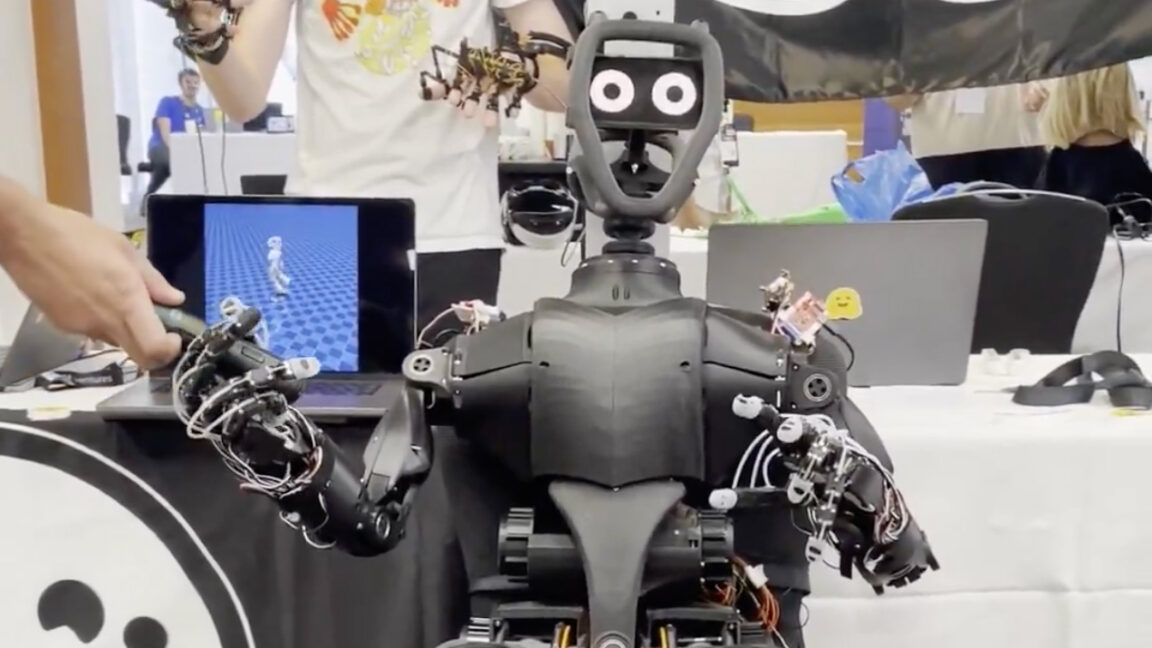
I can’t wait to get my hands on a copy of the new dev kit from Hugging Face. But what’s most striking here is how AI is finally bridging the gap to bring general-purpose robotics to life.
It’s easy to miss the investment, but under the hood, every major AI developer is quietly figuring out how to teach models not just to understand our world but to interact with it. That means moving from generating text or images to transforming what they “see” or “understand” into actions, like a robotic arm that can pick up a box or a humanoid that can fold your laundry.
As AI-powered robotics becomes more common, it’s easy to imagine a workplace where robots are as ubiquitous as laptops. Just like a human, you can give them a prompt or an instruction set, or have them watch you do a task once, and they’ll repeat it effortlessly, at a cost humans simply can’t match. These systems can work 24/7, needing only electricity to keep them moving.
The doors that AI opens here are tremendous, and much closer than you might think
-
Vibe Coding A Security Risk?
Vibe coding. Vibe marketing. Vibe everything.
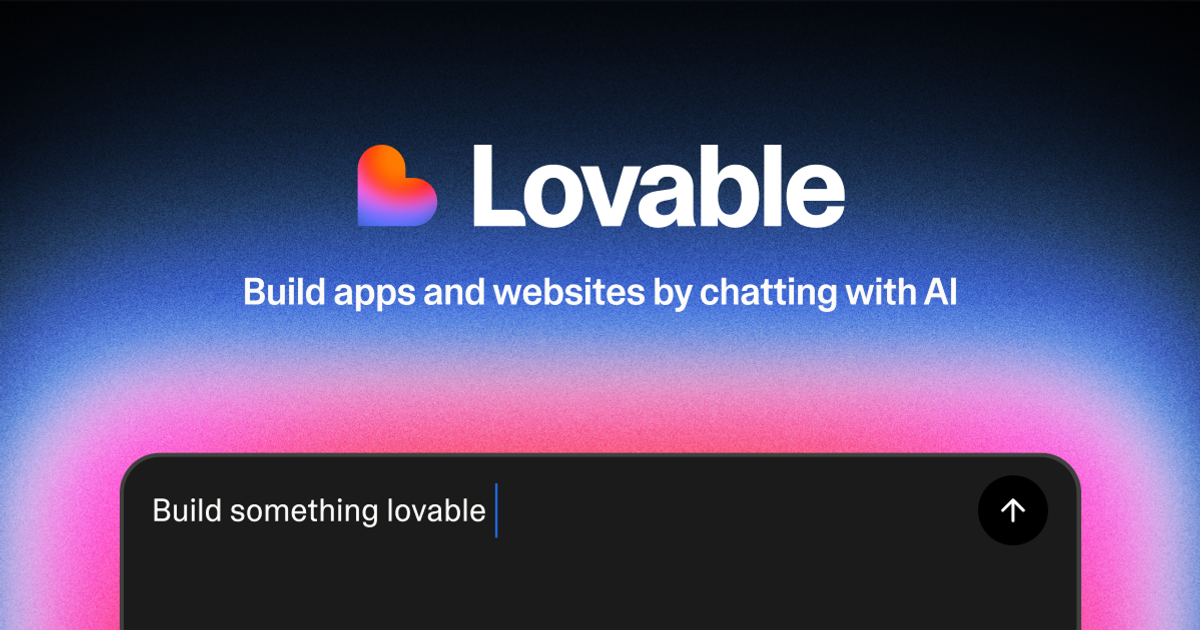
It’s not just a fad, it’s a transformation. We’re talking about a 100x boost in individual capability, but here’s the kicker: subject matter expertise still matters. This article about Lovable, on of the hottest new vibe coding startup, makes that crystal clear.
In development, simple mistakes like where you store your API keys or how you filter input can make or break your security. It’s common sense to most developers that these steps are essential to writing secure code, but at least today, tools like Lovable or Windsurf gloss over this, leaving a production code base open to attack.
I’ve noticed the same thing when working with other AI tools or writing prompts, you have to be explicit about writing code securely. The vibe can be great and scale human potential by 100x, but until we build in the guardrails, subject matter knowledge will be ireplacable.
-
A Week of Dueling AI Keynotes
Read more →Microsoft Build. Google I/O. One week, two keynotes, and a surprise plot twist from OpenAI. I flew to Seattle for Build, but the week quickly became about something bigger than just tool demos; it was a moment that clarified how fast the landscape is moving and how much is on the line. For Microsoft, the…
-
AI is sprinting, and this week’s pace was dizzying!
At Microsoft Build and Google I/O, we saw a flood of dev-focused announcements, new models, better tooling, and smarter assistants. OpenAI shook things up with its surprise acquisition of IO, the design-forward startup from Jony Ive that had already picked up Wind Surf and its “vibe coding” platform.
But Anthropic quietly dropped what might be the most impressive update of the week: Claude 4. Analysts are calling it one of the best coding models released to date. And here’s where things get really interesting: rumor has it Apple is prepping a Claude 4 integration directly into Xcode. WWDC is around the corner, and if true, that could mark a major shift in how Apple plans to close the AI gap.
Every player is pushing forward. The race isn’t just about general intelligence anymore – it’s about who can make AI feel seamless, useful, and built-in for developers. -
The AI Evolution: Approaching Data and Integration
Read more →“I’ve seen things you people wouldn’t believe.” – Roy Batty, Blade Runner Working in consulting gives you a kind of X-ray vision. You walk into a room with a new client and they start listing all the reasons they’re unique—how no one understands their business, how their systems are one-of-a-kind, how the complexity of what…
-
Bye SEO, and Hello AEO
Read more →If you caught my recent LinkedIn post, I’ve been sounding the alarm on SEO and search’s fading dominance. Not because it’s irrelevant, but because the game is changing fast. For years, SEO (Search Engine Optimization) has been the foundation of digital discovery. But we’re entering the age of Google Zero—a world where fewer clicks make…
-
Welcome to the Vibe Era
Read more →Early in the AI revolution, I sat across a founder pitching a low-code solution that claimed to eliminate the need for developers. I was skeptical, after all, I’d heard this pitch before. As an engineer who’s spent a career building digital products, I figured it was another passing trend. I was wrong. And worse, I…