Issue #97: How to Use Claude More Effectively with Cowork
Howdy 👋🏾.
The way AI models work has changed significantly in the last few years, and with that, you have to change how you interact with them and how you think about these systems as a platform. The best example of this is Anthropic’s Cowork, which completely changes the way you should use Claude. First, we must get some shared vocabulary.
If you have taken one of my workshops, you have heard me say over and over how important context is. Context is the information you give an AI model to support your prompts and instruction sets. Whether I’m asking about revenue models or marketing plans, the more context I can give any AI model, the better the response will be. This is something we have done with new hires for a long time. We spend onboarding sessions showing them the tools and helping them understand how the organization works. That’s context.
Like any human being, we have limits to what our brains can hold, and AI models have similar limits. This is called a context window. It’s measured in tokens (roughly a word each) and represents how much an AI model can remember before it starts forgetting things. The most common example is a long conversational thread where, bit by bit, the AI model starts hallucinating, losing track of its tasks, and doing things in weird ways. These are all signs that are likely hitting the top of your context window, known as model drift.
One of the core things Cowork does is push you to externalize your context. Instead of copying and pasting 8 documents every time you start a prompt, you can create a skill that serves as a single source of truth for your brand, product offerings, and marketing plan. This lets Cowork pull in what’s needed on demand, allows you to have multiple conversations grounded in the same source material, and (even better), skills can be shared across your team, so everyone is working from the same playbook.
Because Cowork externalizes its memory, it can avoid hallucination and drift by pulling from documents on demand, writing notes to markdown files, and reaching back into images or files when needed. It’s a scratchpad the system can use to keep notes.
Skills can also be bundled with connectors, which are MCP servers, into what Cowork calls plugins. That combination pulls real-time context from your platform (Google Drive, Gmail, QuickBooks, Hubspot, Ramp, Stripe, and so many more) alongside what it already knows about your organization. The results include automating invoicing, following up on AR, tracking campaign performance, and drafting sales emails directly in Gmail. Things that used to take a workflow now just happen.
All this is to say, if you’re a power user of Claude, stop using chat and graduate over to Cowork. The difference is significant. You will thank me later. If you want help getting there for yourself or your team, we run both public and private workshops built for exactly this.
– Jason
🎙️ Can Journalism Schools Teach AI Without Losing the Craft?
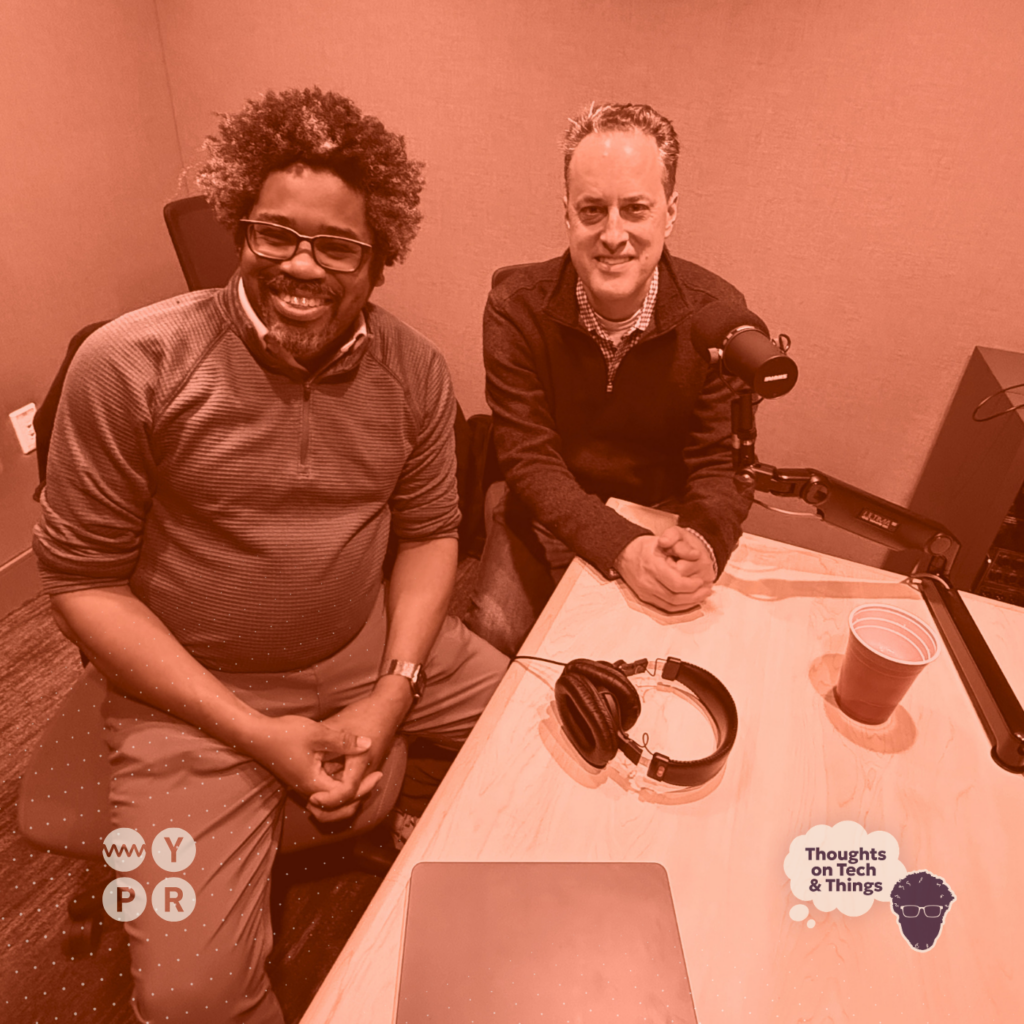
If you’ve been paying attention to how quickly AI is moving into every industry, journalism is one worth watching closely. I’d recommend checking out my recent conversation with Derek Willis, a lecturer at the University of Maryland’s Philip Merrill College of Journalism and affiliate professor at AIM — Maryland’s Artificial Intelligence Interdisciplinary Institute.
Derek brings a rare perspective, years inside The New York Times, ProPublica, and The Washington Post, now applied to training the next generation of reporters, when the tools they’re learning can also fabricate quotes and generate articles faster than any human. We talk about where AI genuinely helps journalists, what his “Team Luddite” classroom experiment keeps revealing about human skill, and what it means to teach craft when nobody knows the end state.
If you care about what the information ecosystem looks like five years from now, this one is worth your time.
🔗 Best In Tech This Week
➡️ Everything Google announced at I/O 2026: Gemini, Search, Android XR, and more – 9to5Google
Google dropped Gemini Omni, a multimodal model that takes any combination of text, image, audio, and video as input and outputs editable video grounded in real-world physics. They also unveiled Samsung-built Android XR audio glasses with frames from Warby Parker and Gentle Monster, shipping this fall.
➡️ Jury dismisses all claims in Elon Musk’s lawsuit against OpenAI CEO Sam Altman – NPR
A nine-person jury took less than two hours to decide Musk waited too long to sue OpenAI over the for-profit pivot, killing the case on a calendar technicality before the merits were ever weighed. The three weeks of trial before that ruling surfaced a wild amount of inside-baseball context, including Brockman’s personal diaries and Musk texting Zuckerberg about a joint takeover bid.
➡️ Andrej Karpathy Joined Anthropic – Daring Fireball
Karpathy, OpenAI co-founder and the guy who ran AI at Tesla for Musk (and coined “vibe coding”), is joining Anthropic’s pre-training team to build a group focused on using Claude to accelerate Anthropic’s own research. The talent gravity around Anthropic right now is hard to ignore.
🎤 The AI Roadshow: Workshops, Talks & Beyond
June 9 – 10: Developer Week (NYC)

June 25 – Master AI with Claude [DM me for 50% off promo code] Register here!
July 23- Mastering AI with Claude & The Claude Ecosystem > Register here!
📕The AI Evolution
I wrote The AI Evolution as a practical guide for leaders, builders, and anyone interested in learning how to use AI effectively. This book is about clarity, strategy, and what it takes to bring AI into your organization.
If you’re an executive trying to shape AI strategy, a manager looking to empower your team, or a developer wondering how this shift will change your craft, this book was written with you in mind. Purchase your copy here.
P.S. Before we go …
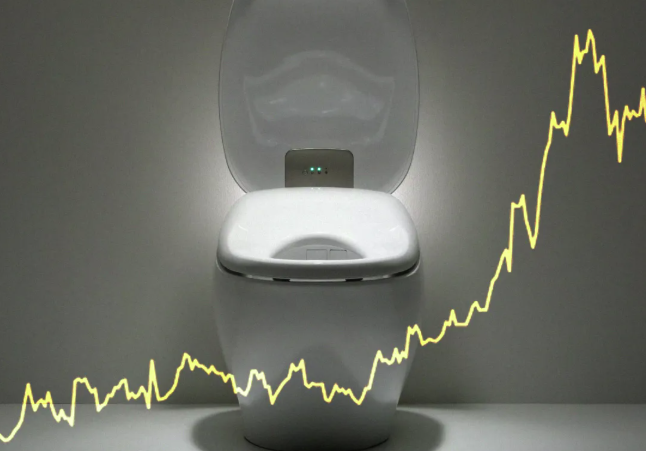
First, Allbirds sold off its shoe business to pivot to AI, and now Toto, yes Toto, the Japanese company known for making the most futuristic toilets in the world, is watching its stock climb on an AI play. The same century of ceramics know-how behind their toilets and bidets also builds precision parts for the machines that manufacture memory chips. With demand for memory to power data centers, that division is now more than half of Toto’s operating profit, and like that, a toilet company is an AI business.