
Issue #92: ChatGPT Day and the Return of Google
Howdy 👋🏾.
Hope you’re well and recovered after Thanksgiving.
Before we dive in, a quick apology for the erratic schedule these past few weeks. Running a business, launching a podcast, and keeping this newsletter going has been a lot. We’re working on getting everything back on a regular rhythm next year, so thanks for hanging in there.
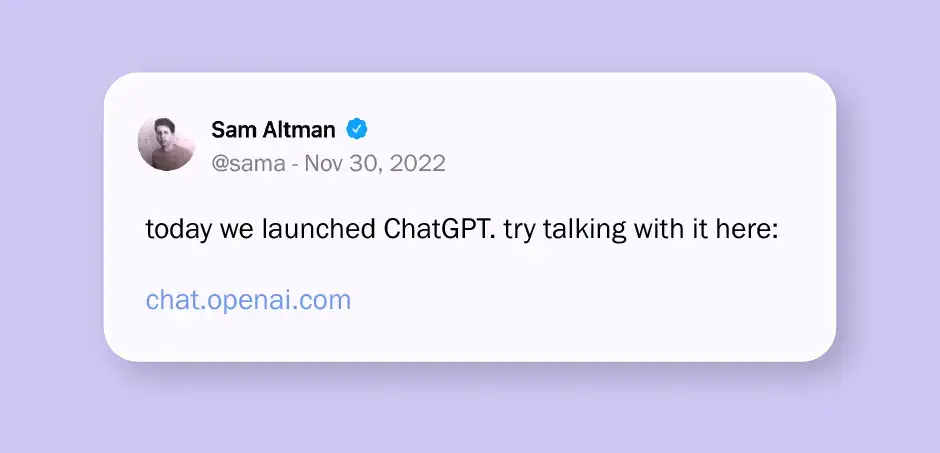
Here at PerryLabs, we celebrate Thanksgiving, and we also celebrate ChatGPT Day, the day Sam Altman sent a little tweet into the world asking folks to try out a new AI platform.
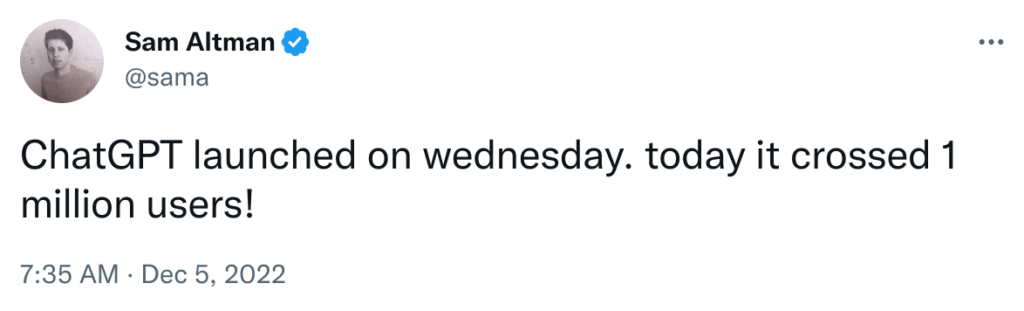
A few days later, it crossed 1 million users and officially kicked off the modern AI race.
OpenAI still leads, but this story is far from finished. This week, right after the anniversary, Sam reportedly called a Code Red after Google released Gemini 3. If you haven’t tried it out, Gemini 3 is Google’s latest general-purpose AI model, built to be much better at reasoning across text, code, and media than the earlier versions.
If you’ve attended one of my panels or talks, you’ve heard me say “we’re in the AOL days of AI.” It’s early. It’s messy. As someone who lived through the start of the Internet, it’s wild to think that companies like AOL, Netscape, and Yahoo are now footnotes.
I bring this up because so much of the early work that made modern LLMs possible came from Google. Google was the leader for a long time, and then it stumbled. With Gemini 3, it’s clear they are finally showing up and putting some muscle behind their releases.
Google is also coming at this from the hardware side. Back in 2017, they started building TPUs (Tensor Processing Units), their own AI chips, to support TensorFlow, the open source ML library that powers a huge amount of the AI world. Nvidia makes GPUs (Graphic Processing Units) that originally were meant for gaming and 3D graphics, and they happened to be great for AI, but Google has been building chips specifically for AI for years.
Now Google is in talks to sign a multibillion-dollar deal to sell its TPUs to Meta, opening a new market and putting Nvidia, the biggest company in the world, directly in its sights.
It really is the AOL era of AI, and there’s a lot of track left. Today is a great day to check out Gemini. It cooks.
-jason
🎙️ Why Are Date Centers Suddenly So Controversial?
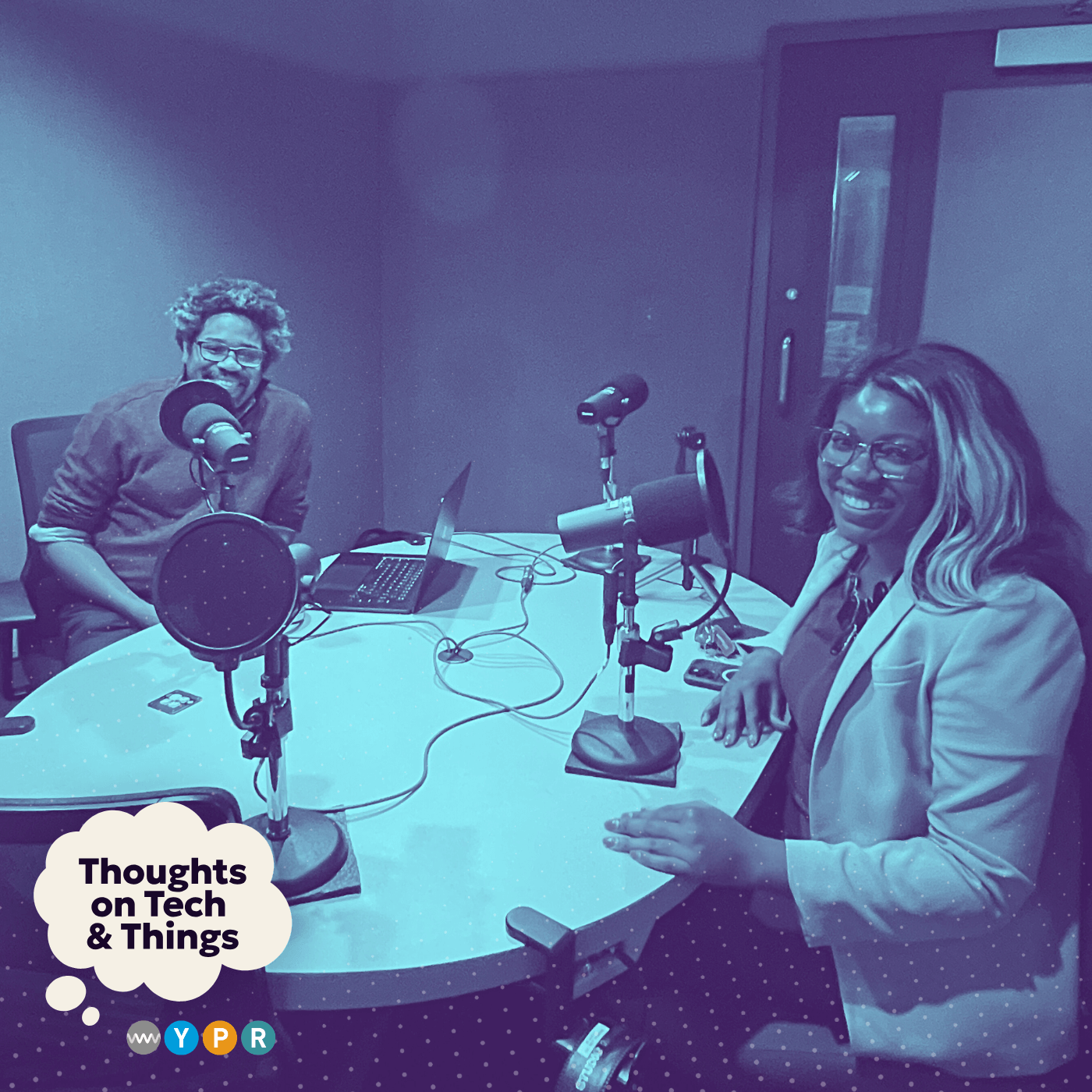
I sat down with Jenny Abamu, education and infrastructure reporter for WAMU, to unpack Maryland’s rapidly growing data center boom and the community backlash that’s followed. We talked about how Governor Wes Moore’s push to make Maryland a data center hub has collided with local concerns about energy, land use, and environmental impact. From billion-dollar AI investments to zoning debates in Montgomery and Prince George’s Counties, we also dug into why these massive, mostly unseen buildings have suddenly become so politically visible.
Together, we trace how the global race for AI compute, with trillions of dollars pouring into infrastructure from companies like Microsoft, Amazon, and Oracle, is reshaping everything from local power grids to public trust. It’s a look at how a technology most of us never see is transforming both the landscape and the conversation about Maryland’s economic future.
WYPR: Listen here | Apple Podcasts: Listen here | Spotify: Listen here
If you missed the last episode, check out:
👉 What is Quantum?
🔗 Best In Tech This Week
🌐 Cloudflare Broke the Internet – If you woke up Tuesday wondering why half the internet was acting weird, Cloudflare had a rough morning and took a ton of services down with it. It’s one of those core pieces of the web most people never think about until everything stops working. My friends at Technical.ly have a great explainer that breaks it all down.
🤖 Gemini 3 Shows Up Ready to Flex – Google launched Gemini 3, which, of course, is the best AI ever made until the next version drops in a few months from someone else. Still, the early details look impressive, and I’m curious to see how it actually performs. Elon’s Grok also got an update and now claims to hallucinate three times less, which is a funny metric to brag about, but progress is progress.
💼 Intuit and OpenAI Want You Talking to Your Books – Intuit just signed a 100 million dollar deal with OpenAI, and the implications are huge. We are inching toward a world where you talk to your QuickBooks data the same way you talk to ChatGPT, and agents do the heavy lifting behind the scenes. All of this builds on the new OpenAI AppSDK previewed at DevDay, which is quietly becoming the foundation for the next era of how we use the web.
🎤 The AI Roadshow: Workshops, Talks & Beyond
January 5 – CES
January 28 – Something fun is dropping… TBD
February 10 – WTCI AGILE Series: Cybersecurity in A World Where Reality Could Be Fake
📕The AI Evolution
I wrote The AI Evolution as a practical guide for leaders, builders, and anyone interested in learning how to use AI effectively. This book is about clarity, strategy, and what it takes to bring AI into your organization.
If you’re an executive trying to shape AI strategy, a manager looking to empower your team, or a developer wondering how this shift will change your craft, this book was written with you in mind. Purchase your copy here.
P.S. Speaking of Thanksgiving… if you’ve read my thoughts on Google Zero or listened to my recent chat with Andy Janaitis, you won’t be surprised by this one. AI is already reshaping recipe traffic, and more chefs are leaning on AI tools to plan meals, which means fewer impressions and clicks. The impact is showing up now, so it’s worth wondering what next year’s Thanksgiving prep is going to look like when half the country asks an AI to build their menu and recipe sites start to become an afterthought.